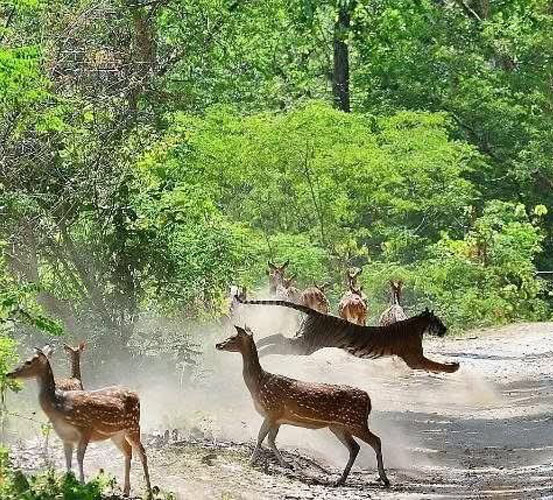
The Phato Safari Zone is one of the newer and relatively less explored zones in Jim Corbett National Park. This zone, with its diverse landscape and rich biodiversity, offers an exceptional wildlife safari experience. Located in the southern part of the park, it provides a chance to experience the natural beauty of Corbett in a serene and undisturbed setting. Here’s a detailed overview of the Phato Safari Zone :
Location
The Phato Safari Zone is located in the southern part of Jim Corbett National Park, in the Ramnagar region. It is near the Corbett Range and the Kosi River.
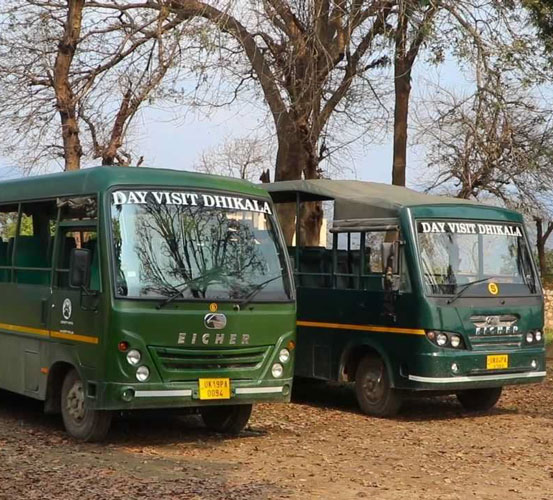
It is situated at a considerable distance from the more tourist-heavy zones like Dhikala, providing a peaceful safari experience. The zone is about 30-40 km from Ramnagar town, making it slightly more secluded and less crowded.
Landscape & Vegetation
The Phato Safari Zone is known for its varied and diverse landscapes, including dense sal forests, open grasslands, riverine ecosystems, and small streams.
The zone is crisscrossed by seasonal streams, and the presence of water bodies enhances the chances of witnessing wildlife, especially during the dry season when animals come to drink.
The sal forests are interspersed with areas of teak and shisham trees, and large parts of the zone are covered with tall grass and undergrowth, providing an excellent habitat for both herbivores and predators.
The riverine landscape along the Kosi River is one of the highlights, offering both wildlife and birdwatching opportunities.
Wildlife
The Phato Safari Zone is rich in wildlife, with a variety of species calling this area their home. Some of the notable species include :
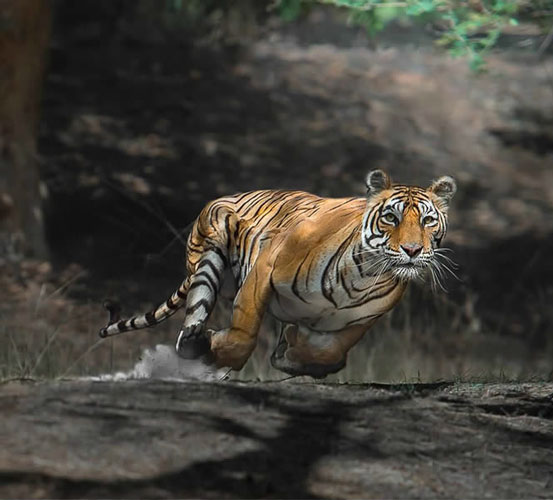
Bengal Tigers : The Phato zone is known to have a healthy population of tigers. Early morning safaris provide good chances of tiger sightings, especially near water sources or dense forest patches.
Leopards : Leopards are also a prominent species in this zone. Due to its dense cover, leopards are often spotted in the forests or rocky outcrops.
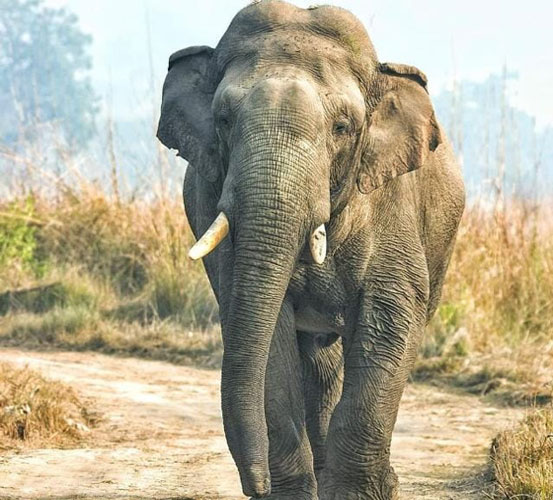
Elephants : Asian elephants are frequently spotted in this zone, especially near the riverbanks and grasslands. They are often seen in herds, making for an impressive sight.
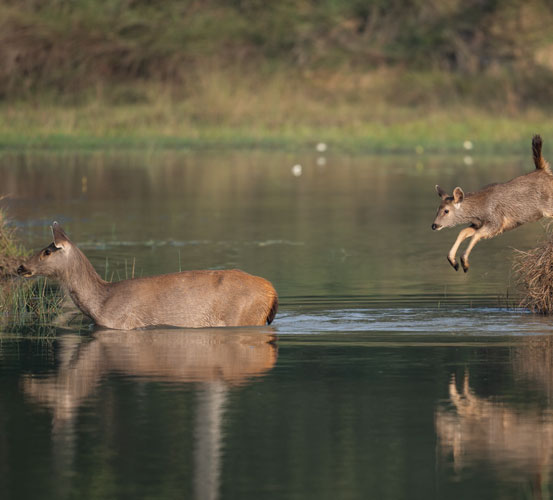
Deer Species : The zone is home to various deer species such as Chital (spotted deer), Sambar, Muntjac (barking deer), and Nilgai (blue bull). These herbivores are commonly seen grazing in the open meadows or near water sources.
Wild Boar and Jackals : These animals are common in the open meadows and forest clearings, foraging for food.
Sloth Bears : While rare, Sloth Bears can occasionally be spotted in the dense forests, particularly at night or during early morning hours.
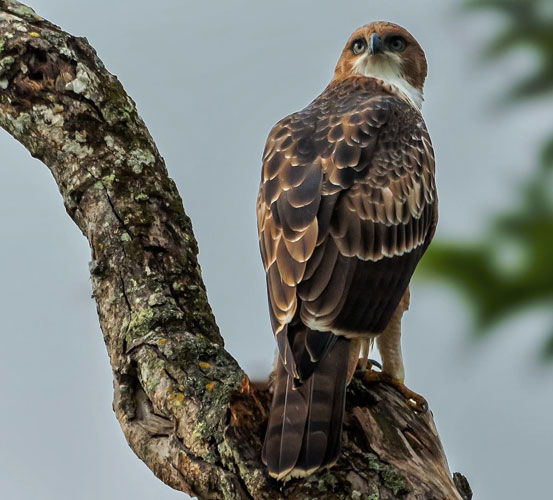
Birdlife : The zone has a rich variety of bird species, including hornbills, eagles, woodpeckers, and kingfishers. Its diverse ecosystems make it an excellent destination for birdwatchers.
Reptiles : The zone is also home to reptiles like monitor lizards, cobras, and tortoises that can often be spotted sunbathing near water bodies.
Safari Experience
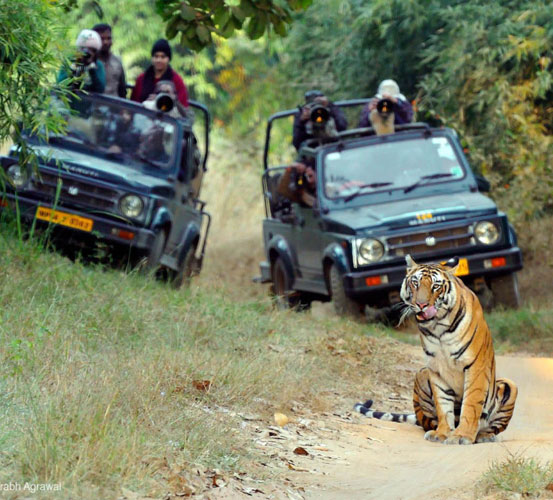
The Phato Safari Zone is best explored by jeep safaris, which take you through the different landscapes, including dense forests, grasslands, and along the riverbanks.
Morning safaris typically start at 6:00 AM and run until 9:30 AM, while evening safaris are from 3:30 PM to 6:30 PM. The early morning safaris offer the best chances for tiger sightings and observing animals in their natural, active state.
Due to the diverse terrain, the safari can sometimes involve navigating rocky trails and crossing small streams, making it an exciting adventure. Visitors are often treated to breathtaking views of the Kosi River and surrounding forests.
Experienced guides accompany the safaris, providing valuable insights into the flora, fauna, and history of the park, as well as helping visitors spot elusive wildlife.
Best Time to Visit
The best time to visit the Phato Safari Zone is from November to June, with the peak season being from March to June. During this time, animals are more likely to be found near water sources, especially as the weather heats up.
The winter months (November to February) provide a comfortable climate for safaris, although sightings might be slightly fewer as animals spread out across the park.
Summer months (March to June) offer the best chances of spotting animals, particularly near waterholes and rivers, as wildlife comes to drink and cool down.
The monsoon season (July to October) is the off-season, with the park closed for safaris due to heavy rainfall and difficult trail conditions.
Entry & Permits
Permits for the Phato Safari Zone can be booked online through the official Jim Corbett booking portal or at the Forest Department office in Ramnagar.
The number of vehicles allowed into the zone is limited to maintain the wildlife experience, so it’s best to book your safari in advance, especially during peak seasons.
Activities
Birdwatching : The zone offers fantastic opportunities for birdwatching, with a wide variety of species residing in the forests and grasslands. Early mornings are especially good for birdwatching, as the birds are more active during this time.
Wildlife Photography : The diverse terrain and abundant wildlife make the Phato Safari Zone an excellent location for wildlife photography. The combination of dense forests, open meadows, and the riverbanks provide the perfect backdrop for stunning photographs.
Nature Walks: Some guided nature walks may be available, where visitors can explore the park’s flora and fauna up close and learn about the ecosystem.
Nearby Attractions
Corbett Museum : Located in Kaladhungi, the Corbett Museum is dedicated to the life of Jim Corbett, the legendary hunter-turned-conservationist who founded the park. It offers a fascinating insight into his life and work.
Kosi River : The Kosi River runs through the Phato Zone, adding to the natural beauty of the landscape. The riverbanks are perfect spots for photography, and it’s a good area for wildlife sightings, especially in the morning and evening.
Garjiya Temple : Located near the entrance of the zone, the Garjiya Temple is a significant religious site and a popular stop for visitors exploring the area.
Things to Keep in Mind
- Wear comfortable clothing and sturdy footwear for the safari, as the terrain can be rugged.
- Carry binoculars, a camera, and water for the safari. It’s important to stay hydrated and have the necessary equipment for wildlife viewing and photography.
- Follow the park’s rules and regulations to ensure a safe and respectful experience with nature. Always maintain a safe distance from the animals and avoid disturbing them.
- The Phato Zone offers a quieter and less crowded safari experience, making it ideal for visitors who want to enjoy the wildlife without the larger crowds found in other zones like Dhikala or Jhirna.
Conclusion
The Phato Safari Zone offers a wonderful blend of wildlife and natural beauty. With its diverse ecosystems, from dense forests to riverbanks and grasslands, and its abundance of wildlife, including tigers, leopards, and elephants, it’s an ideal destination for wildlife enthusiasts, photographers, and nature lovers. Whether you're looking for thrilling wildlife encounters or simply wish to enjoy the serene beauty of Jim Corbett National Park, the Phato Safari Zone provides an unforgettable experience.