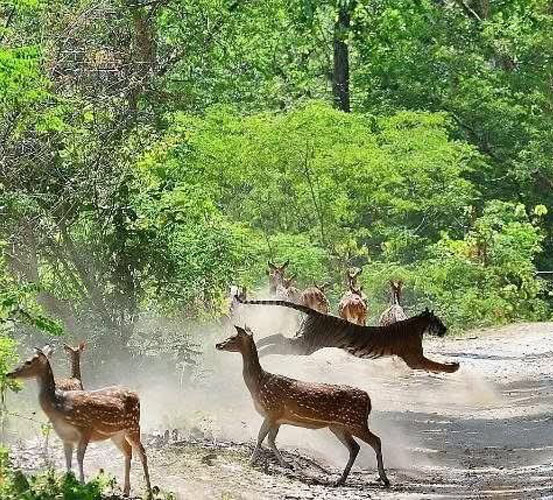
The Corbett Landscape Safari Zone is one of the less explored, but immensely scenic and diverse safari zones in Jim Corbett National Park. Known for its variety of ecosystems ranging from dense forests to open grasslands, and serene riverbanks, this zone offers a comprehensive wildlife experience. It allows visitors to witness the unique beauty of the park's landscapes while encountering a wide range of wildlife in their natural habitat. Here’s a complete overview of the Corbett Landscape Safari Zone
Location
The Corbett Landscape Safari Zone is situated in the southwestern part of Jim Corbett National Park, nestled between the more popular safari zones like Dhikala and Jhirna.
This zone is easily accessible from Ramnagar, the nearest town, which is about 20-25 km away. It offers a more peaceful and secluded safari experience compared to the busier zones.
Landscape & Vegetation
The Corbett Landscape Safari Zone features a stunning mix of dense sal forests, riverine ecosystems, and open grasslands, providing a variety of landscapes within a single safari.
The Kosi River flows along the southern boundary of the zone, contributing to the lush vegetation and attracting wildlife, especially in the dry months.
The terrain varies between hilly areas, riverbanks, and meadows, offering an extraordinary opportunity to witness the park's diversity in a single safari.
The forests are mainly made up of sal trees, shisham, and teak, while the open grasslands serve as a perfect grazing ground for herbivores like deer and wild boar.
Wildlife
The Corbett Landscape Safari Zone is rich in wildlife and is a haven for nature and wildlife enthusiasts. Key species include :
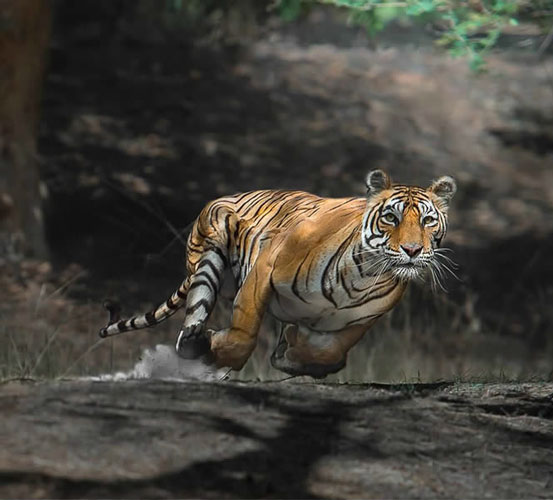
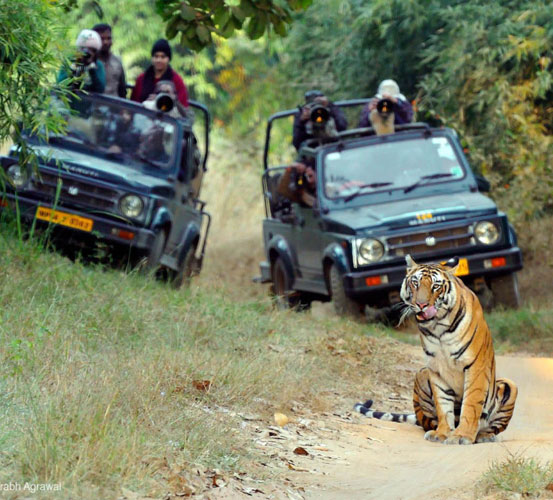
Bengal Tigers : The Corbett Landscape zone is known for its tiger population. Although sightings can be rare due to the zone’s vastness, there is still a good chance of spotting this magnificent predator, particularly near waterholes or during early morning safaris.
Leopards : Leopards are frequently seen in this zone, especially in the dense forest areas. They are elusive but often spotted on the outskirts or within the jungles.
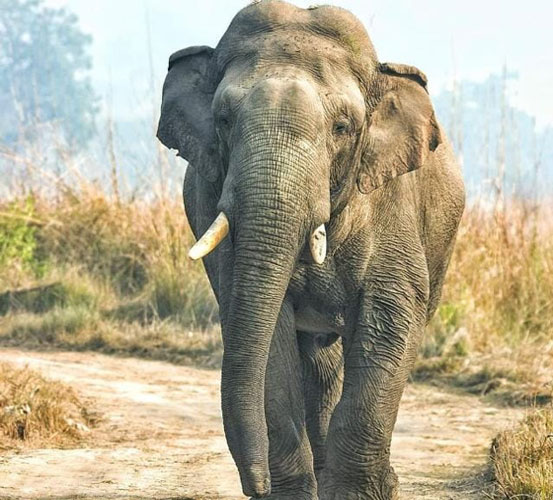
Elephants : The zone has a significant population of Asian elephants. These large mammals are often found in grasslands and along the riverbanks, particularly in the early morning or late evening.
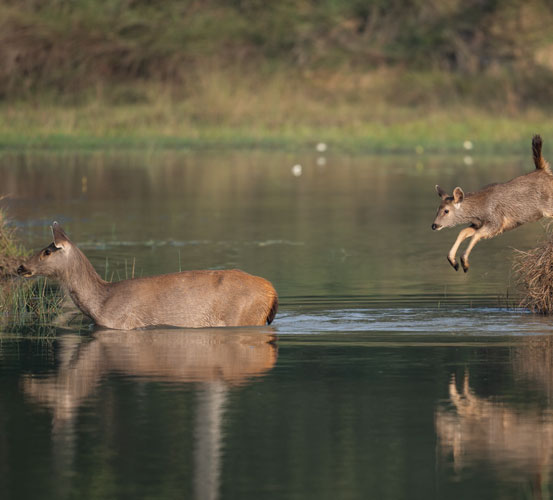
Deer Species : The Corbett Landscape Zone is home to a variety of deer species, including Chital (spotted deer), Sambar, Muntjac (barking deer), and Nilgai (blue bull).
Wild Boar and Jackals : These animals are commonly found in the grasslands and forest clearings, where they forage for food.
Sloth Bears : While sightings of Sloth Bears can be rare, this zone has a population of these elusive creatures, especially in the forested regions.
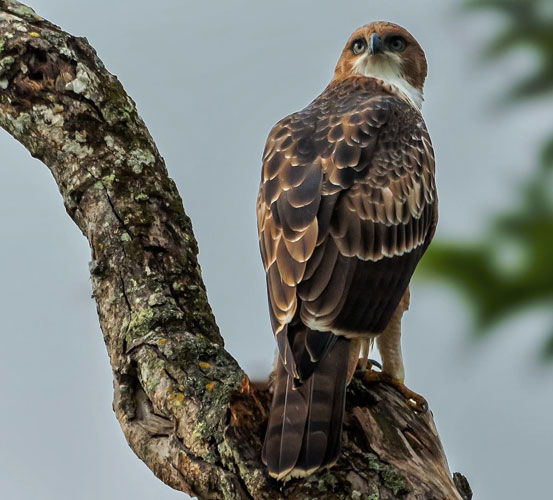
Birdlife : The zone is perfect for birdwatching, with sightings of species like hornbills, woodpeckers, eagles, and kingfishers. The diverse habitats support both migratory and resident bird populations.
Reptiles : The area is home to reptiles like monitor lizards, cobras, and tortoises, particularly near waterholes and riverbanks.
Safari Experience
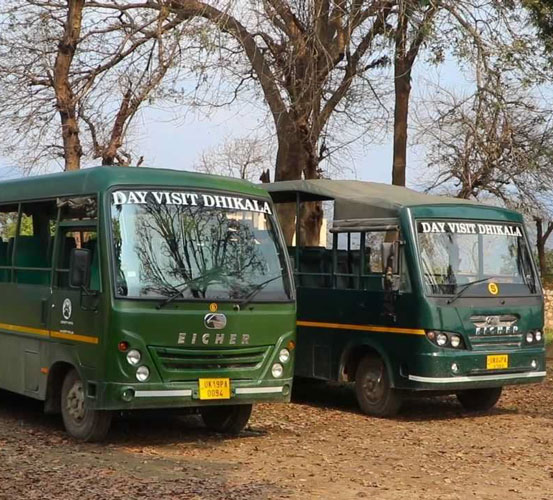
Corbett Landscape Safari Zone is primarily explored through jeep safaris, which offer the best way to navigate the varying terrains of forests, grasslands, and riverbanks.
Morning safaris typically begin at 6:00 AM and run until 9:30 AM, while evening safaris are from 3:30 PM to 6:30 PM. The early morning safaris are ideal for wildlife sightings, as the animals are more active during the cooler hours.
The safaris are conducted by trained and knowledgeable naturalist guides who help visitors spot wildlife and provide insights into the park's flora, fauna, and conservation efforts.
Due to the vastness of the zone, the safari routes can sometimes be lengthy, but the beauty of the landscapes and wildlife encounters make the journey rewarding.
Best Time to Visit
The best time to visit the Corbett Landscape Safari Zone is from November to June, with March to June being the peak season. This is when wildlife congregates near waterholes, making it easier to spot animals like tigers, elephants, and leopards.
The winter season (November to February) offers a more comfortable climate for safaris, though sightings might be fewer since animals tend to spread out across the park.
The summer months (March to June) are the best for witnessing larger mammals, as the animals gather around the water sources in the hot weather.
Monsoon season (July to October) is not recommended, as the park remains closed for safaris due to heavy rainfall and difficult trail conditions.
Entry & Permits
To enter the Corbett Landscape Safari Zone, you will need to secure a permit, which can be obtained online via the official Jim Corbett booking portal or directly from the Forest Department in Ramnagar.
A limited number of vehicles are allowed to enter the zone each day, so it is recommended to book the safari in advance, especially during peak tourist seasons.
Activities
Birdwatching : The zone offers fantastic opportunities for birdwatching. With its diverse habitats, you can observe a wide variety of species, especially near the riverbanks and forests.
Photography : The Corbett Landscape Safari Zone offers perfect settings for photography, from the misty mornings to the golden hour sunsets over the river. Wildlife shots of tigers, leopards, and elephants are especially rewarding here.
Nature Walks : Some nature walks may be available, particularly for those who want to learn about the flora and fauna of the park in more detail. These walks are often guided by experts who can explain the unique ecological balance of the area.
Nearby Attractions
Kosi River : The Kosi River is a key feature of this zone, providing a picturesque and peaceful backdrop. It’s also a prime spot for wildlife photography and birdwatching.
Corbett Museum : Located in Kaladhungi, the Corbett Museum is dedicated to the life and work of Jim Corbett, the legendary hunter-turned-conservationist who founded the park.
Garjiya Temple : A significant religious landmark near the zone, the Garjiya Temple is dedicated to Garjiya Devi and is an important stop for visitors exploring the southern areas of Corbett.
Things to Keep in Mind
- Wear comfortable clothing and sturdy footwear for the safari.
- It’s advisable to carry binoculars, a camera, and water during your safari.
- Follow the rules and regulations of the park to ensure a safe and respectful experience with nature. Maintain silence and avoid making any loud noises that could disturb the animals.
- Given the zone’s peaceful nature, it is perfect for visitors who wish to avoid large crowds and enjoy a more secluded safari.
Conclusion
The Corbett Landscape Safari Zone offers a remarkable opportunity to explore the diverse landscapes and rich wildlife of Jim Corbett National Park. With its mix of forests, meadows, and riverine ecosystems, it provides a unique and immersive safari experience that combines scenic beauty with abundant wildlife. Whether you’re a wildlife enthusiast, nature lover, or photographer, the Corbett Landscape zone is sure to provide you with an unforgettable adventure in the heart of India’s oldest national park.